What to expect the first year
Read about your baby’s five senses – what to expect the first year
Incredibly rapid development is what to expect the first year, but many of your baby’s senses are well developed by the time they are born. A baby’s vision is blurry during the first three months, but there is probably a good reason for this.
If a baby had the sharp focus of an adult, the sheer quantity of impressions would be overwhelming. So this is just what to expect the first year as nature’s way of shielding the baby from the intensity of their surroundings. Carrying the baby facing inwards towards Mum or Dad’s chest is another way of helping to shield the baby.
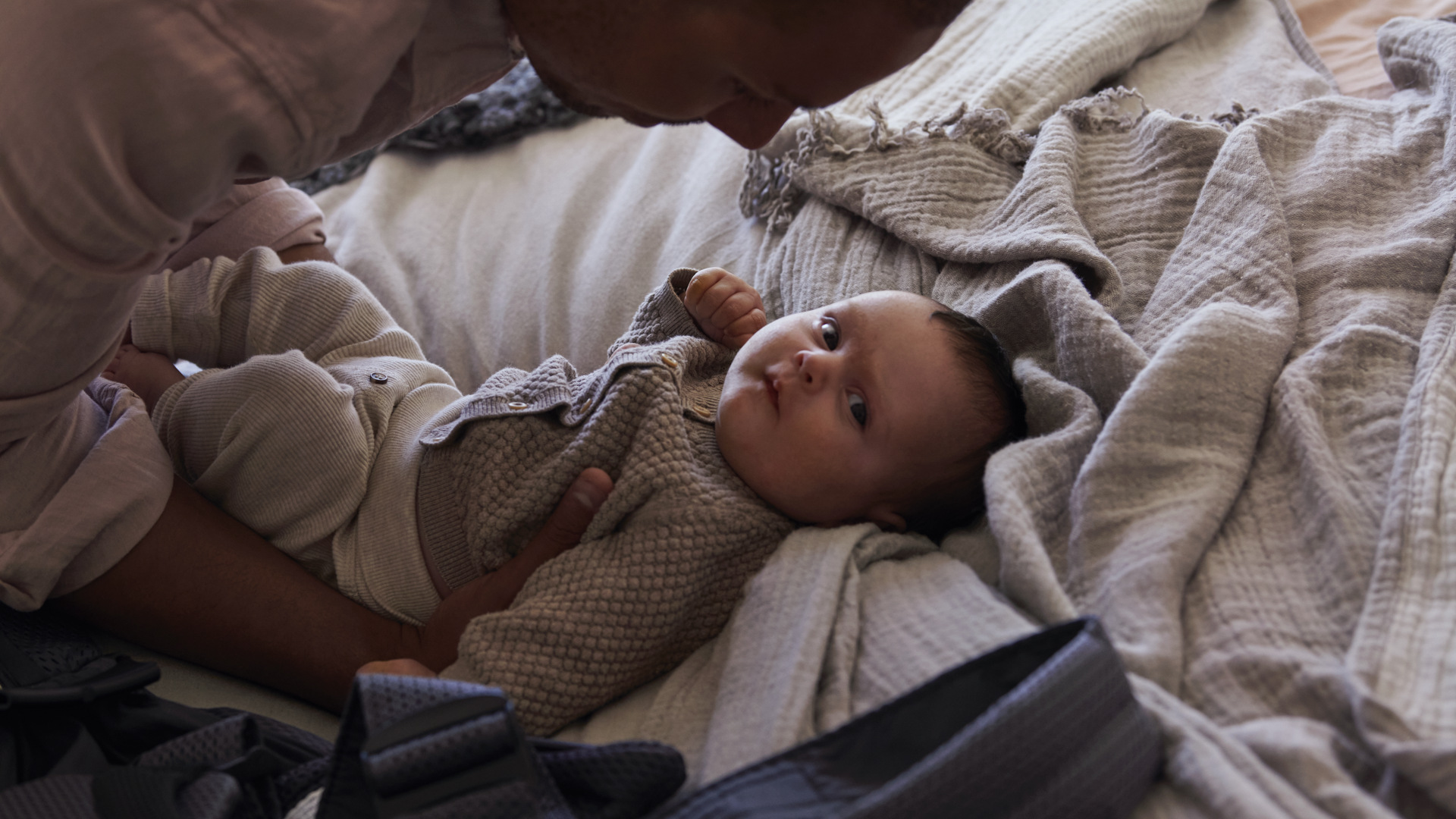
“A baby’s vision is blurry during the first three months.”
The ability to see colours isn’t completely developed at birth. The baby won’t be able to see colour differences until they are one month old – about the same age a baby starts being able to track a moving object with their eyes. Around the age of three months a baby develops stereo vision, i.e. depth perception.
All senses switched on: what to expect the first year
Hearing is well-developed when the baby is born and the baby recognises the voices of family members. The sense of taste is also developed and 3D ultrasound shows that a baby in the womb prefers sweet flavours to sour.
The sense of smell works from day one and the best thing a newborn knows is the smell of their parents in general and breast milk in particular.
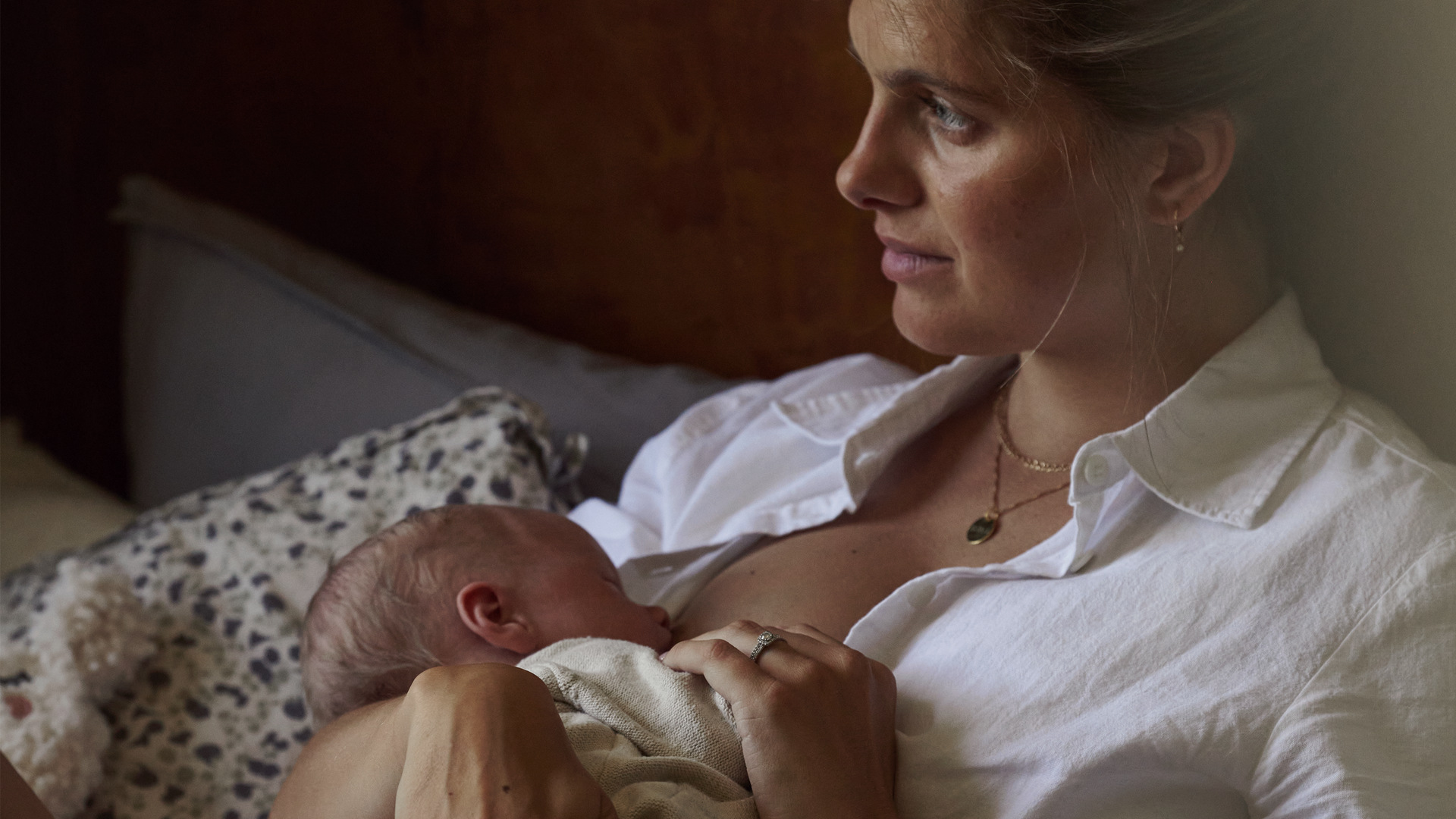
“A baby prefers sweet flavours to sour.”
“It’s fair to say that small children use all their senses, while we adults tend to rely much more on sight. But for a little baby smell, sight, touch, hearing and taste all converge to create an overall impression of how the world works,” says Gustaf Gredebäck, baby researcher at Uppsala Child & Baby Lab.
What used to be explained away as infant reflexes, e.g. the sucking reflex, the rooting reflex, the grasp and the walking reflex, are now known to be aspects of a motive to learn more.
“Babies understand a great deal and are not nearly as reflex-controlled as was thought only 20 years ago. The things a newborn does are frequently triggered by some kind of motive to learn more,” explains Gustaf Gredebäck.

5 senses: what to expect the first year
1. Vision. A baby’s vision is blurry during the first three months. The baby begins to see colour differences at about the age of one month.
2. Hearing. A baby’s hearing is well-developed and babies can hear well in the womb.
3. Taste. Newborn babies are tiny gourmets with a definite preference for sweet things. Sour, salty and bitter flavours are not as popular.
4. Smell and touch. A baby’s sense of smell and touch are well developed at birth and the baby enjoys contact with Mum and Dad – this releases feel-good endorphines.